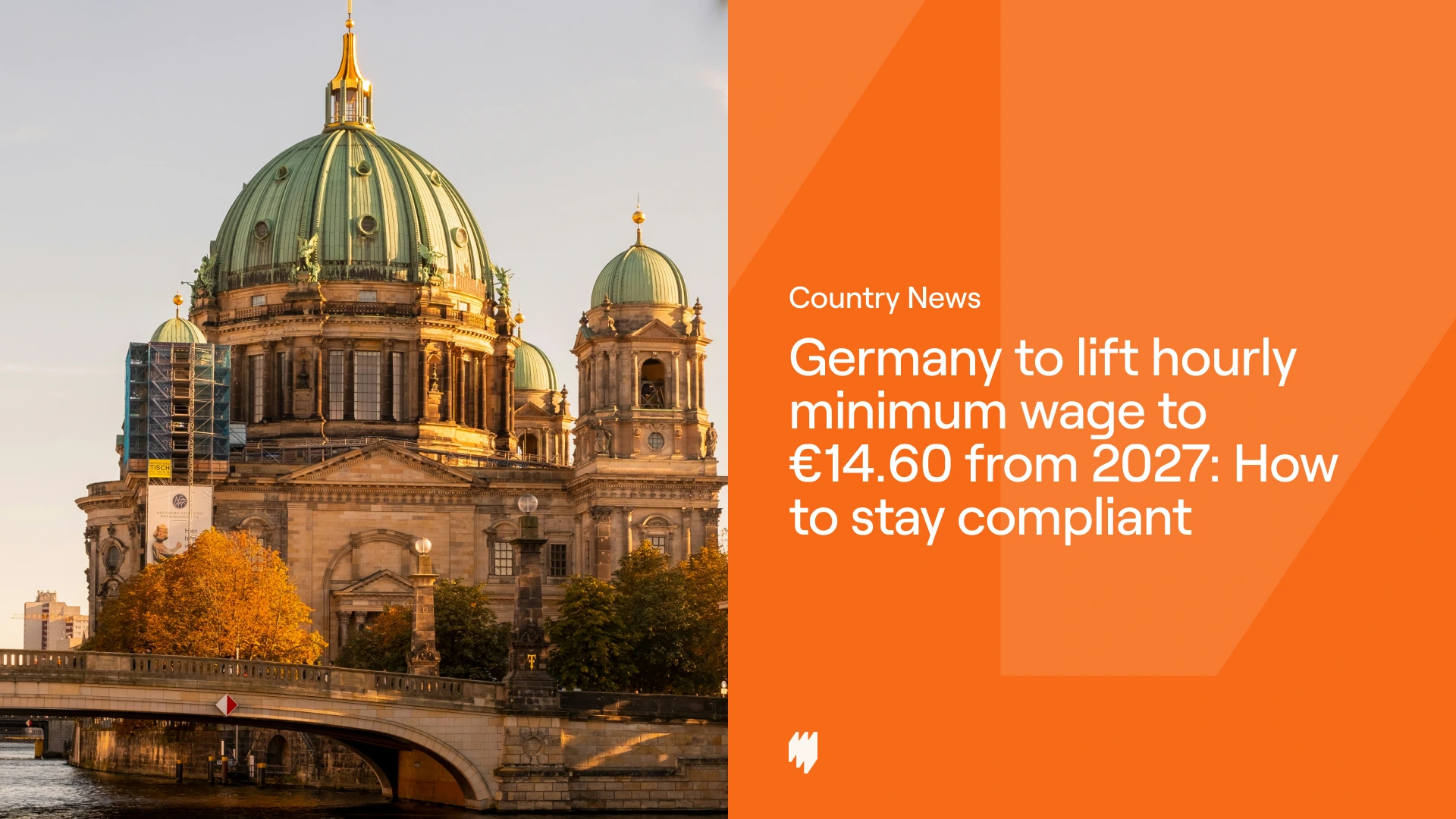
The German cabinet has approved a two-stage increase to the country’s hourly minimum wage, raising it from the current €12.82 to €14.60 by 2027. This decision, in line with the proposal from a government-appointed commission of employers and trade union representatives, is a significant change in Europe’s largest economy.
Details of the minimum wage increase
The minimum wage hike, decided by the cabinet, will be rolled out in two phases:
- January 1, 2026: The hourly minimum wage will rise from €12.82 to €13.90.
- January 1, 2027: The rate will see a further increase, reaching €14.60 per hour.
This adjustment follows the commission’s unanimous recommendation, which is tasked with setting the wage floor based on economic indicators like wage trends and price levels. The statutory minimum wage in Germany applies to all workers over 18, including full-time, part-time, foreign, seasonal workers, and those in marginal employment (“Mini-Jobs”). The Federal Statistics Office estimates that up to 6.6 million jobs could be affected by this rise.
What this means for skilled workers
The minimum wage increase is a positive step for millions of low-wage workers, particularly women and employees in eastern Germany, promising a higher monthly income. This focus on a clear path for wage growth makes the German labor market even more attractive to skilled international professionals. For those with skills in high-demand areas like technology, this increase supports the general environment of robust labor protection and competitive compensation.
What it means for employers
For employers operating or planning to hire in Germany, this increase signals the need for proactive adjustments to HR and payroll strategies. Non-compliance with the statutory minimum wage can lead to substantial administrative fines of up to €500,000 and reputational damage.
Navigating these evolving regulations alone leaves businesses highly vulnerable. According to Multiplier’s Global hiring gap report, only 8% of companies worldwide are fully compliant with international tax and labor laws.
The challenge is multi-faceted:
- Payroll updates: HR and payroll systems must be updated to correctly implement the two-stage wage adjustments in 2026 and 2027.
- Budgeting: Companies, especially those in sectors with a high number of minimum wage earners, must budget for increased personnel costs.
- Compliance: Ensuring that all employment contracts and pay slips adhere to the new legally binding national minimum wage is crucial.
A Global Payroll solution and an Employer of Record (EOR) service like Multiplier can simplify this transition. By partnering with an EOR, companies can:
- Ensure compliance: The EOR acts as the legal employer, managing all aspects of local labor law compliance, including the correct minimum wage application and payroll tax filings in Germany.
- Reduce administrative burden: The EOR handles the complexities of German employment laws, tax, social security contributions, and statutory benefits, allowing the company to focus on its core business.
- Streamline hiring: An EOR allows for rapid onboarding of employees in Germany without the time and expense of establishing a local legal entity.
Conclusion
Germany’s move to raise its hourly minimum wage to €14.60 by 2027 underscores its commitment to fair compensation and strong worker protection. For global companies, this adjustment necessitates vigilance regarding payroll compliance and labor law adherence.
Leveraging a platform like Multiplier provides a compliant and streamlined solution for navigating the complexities of the German market, ensuring timely and accurate payments for international employees. Book a demo to expand your team beyond borders today!
FAQs
What is the new hourly minimum wage in Germany and when will it take effect?
The hourly minimum wage in Germany will increase in two stages: first to €13.90 on January 1, 2026, and then to €14.60 on January 1, 2027, up from the current €12.82.
Who proposed the new minimum wage levels for Germany?
The new minimum wage levels were proposed by an independent Minimum Wage Commission in June 2025, which is composed of representatives from employers and trade unions, and subsequently agreed upon by the German cabinet.
Which German workers will benefit from the minimum wage increase?
The statutory minimum wage applies to virtually all workers in Germany over the age of 18, including full-time employees, part-time workers, foreign workers, and those in marginal employment (Mini-Jobs); up to 6.6 million jobs are estimated to benefit.
What are the potential consequences for employers who fail to comply with Germany’s new minimum wage?
Employers who fail to comply with the statutory minimum wage requirements in Germany face the risk of substantial administrative fines (up to €500,000), legal action, and potential reputational damage, making strict adherence to the new rates critical.
Is the new minimum wage higher or lower than the initial political target for Germany?
The agreed-upon increase to €14.60 per hour by 2027 is below the level of €15 an hour by 2026 that the coalition government had initially stated was achievable in its deal.
How can an Employer of Record (EOR) help companies comply with the German minimum wage laws?
An Employer of Record (EOR) like Multiplier helps companies by acting as the local legal employer, which involves managing all aspects of German payroll and compliance, including correctly applying the new minimum wage rates, tax withholdings, and mandatory social security contributions.