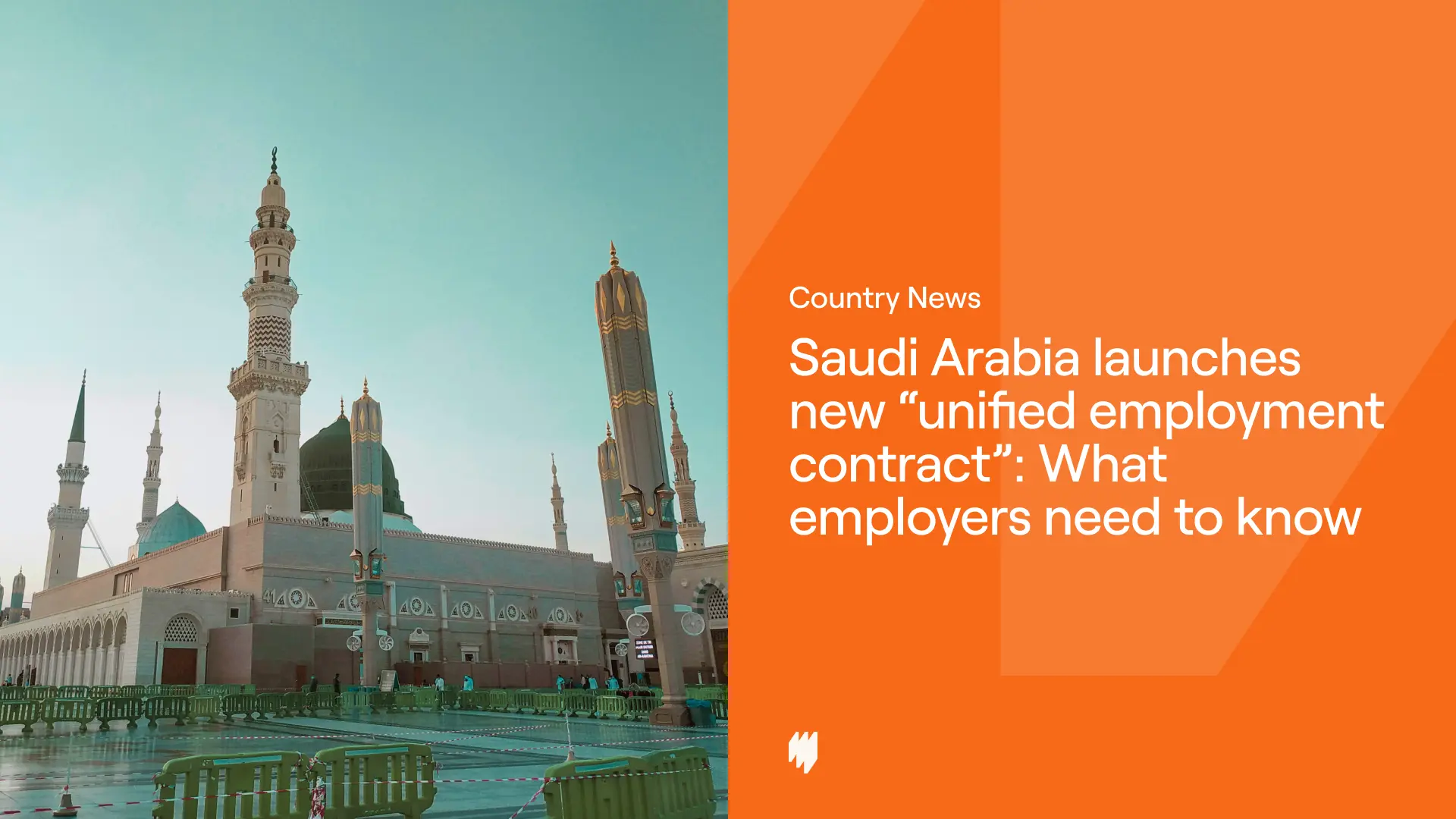
Saudi Arabia has launched a new Unified Employment Contract designed to prioritize workers’ rights and ensure fair employment. This standardized digital agreement enhances transparency regarding wages and obligations, aiming to reduce workplace disputes and foster a more secure environment for all employees. The initiative, launched on October 6, 2025, is a significant step toward modernizing the Kingdom’s legal and administrative systems, aligning with its ambitious Vision 2030 objectives.
Details of the Unified Employment Contract
The Unified Employment Contract is a standardized electronic agreement that regulates the relationship between employers and employees in line with Saudi labor laws. It is legally enforceable, which empowers employees to claim their rights directly through enforcement courts without the need for lengthy litigation.
A key feature of the contract is its wage clause, which obligates employers to specify agreed-upon wages. This clause is a legally binding instrument that allows workers to directly claim their dues, especially wages, through the enforcement court, bypassing the need for a first-instance court trial.
This initiative is part of a series of digital contracts introduced by the Saudi Ministry of Justice, including unified contracts for leases and vehicle rentals. The contract is fully integrated with digital platforms such as Qiwa and Najiz, providing a centralized and accessible way for both employers and employees to register and manage their contractual documents.
What this means for skilled workers
For skilled workers, the Unified Employment Contract offers significantly enhanced protections and transparency. The inclusion of a legally binding wage clause ensures that financial terms are clearly outlined, minimizing the risk of wage-related disputes and providing a direct path to recourse if wages are unpaid.
The digital nature of the contract and its integration with official platforms means that employees can easily access and verify their rights and obligations. This increased transparency and legal enforceability fosters a more trustworthy and stable work environment, empowering employees and making them more aware of their rights.
What this means for employers
For employers, the new contract helps build trust with their workforce and contributes to a more attractive and stable labor market. While it formalizes and standardizes agreements, it simplifies the process through digital integration, reducing administrative burden and providing easy, centralized access to contractual documents.
Clear and enforceable labor agreements also make the Kingdom a more appealing destination for both local and foreign investments, as it signals a commitment to transparency and legal protections.
For companies looking to hire in Saudi Arabia, navigating these new regulations can be complex. Partnering with a global hiring solution like Multiplier can help. Multiplier’s Employer of Record (EOR) service handles payroll, benefits administration, and compliance with local labor laws, including the new Unified Employment Contract.
With Multiplier, you can ensure your company remains compliant and your employees are properly onboarded and paid. By using an EOR, businesses can streamline their global hiring efforts, enabling them to expand into new markets quickly and efficiently without the need to set up a local entity or worry about the legal intricacies of the new contract.
Conclusion
The new Unified Employment Contract is a critical reform that advances Saudi Arabia’s labor market by prioritizing transparency, digital governance, and workers’ rights. This initiative, part of the country’s Vision 2030, is expected to have a positive impact by fostering a more engaged workforce and creating an attractive investment climate. F
or businesses, especially those expanding globally, leveraging a platform like Multiplier can simplify compliance with these new regulations and ensure a seamless hiring process. Book a demo today.
FAQs
What is the Saudi Unified Employment Contract?
The Unified Employment Contract is a standardized electronic agreement launched by Saudi Arabia to regulate the relationship between employers and employees in line with the nation's labor laws. The contract is legally binding, provides a uniform template for employment agreements across different sectors, and is integrated with digital platforms like Qiwa and Najiz for easy access and management.
How does the new Unified Employment Contract protect workers' rights in Saudi Arabia?
The contract enhances workers' rights by including a legally binding wage clause that ensures transparency and direct enforcement. This means employers are required to specify wages in the contract, and employees can directly claim unpaid wages through enforcement courts, which speeds up the resolution process and reduces disputes.
Which digital platforms support the Unified Employment Contract of Saudi Arabia?
The Unified Employment Contract is integrated with digital platforms such as Qiwa and Najiz. These platforms serve as centralized hubs that provide resources, guidelines, and support for creating, registering, and managing the electronic employment contracts.
What is the goal of the new employment contract in Saudi Arabia?
The primary goal of the new contract is to promote justice and transparency in the Saudi labor market. By formalizing employment agreements and making them legally enforceable, the initiative aims to protect the rights of both employers and employees, reduce court disputes, and enhance the Kingdom's appeal as an investment destination. It also aligns with the broader Vision 2030 goal of digitizing and modernizing the country's legal and administrative systems.
How does this initiative relate to Saudi Arabia's Vision 2030?
The Unified Employment Contract is a key initiative under Saudi Arabia's Vision 2030. It supports several of the vision's objectives, including enhancing the efficiency of legal and administrative systems, promoting transparency and digital governance, and creating a more attractive and sustainable labor market for both local and foreign talent.